The Relevance of Early Discovery: Insights From a Veterinary Oncologist
Early discovery of cancer in pet dogs is an important topic for pet dog owners and vet specialists alike. Vet oncologists highlight the importance of acknowledging subtle indicators that might suggest major health and wellness problems. Common signs and symptoms frequently go unnoticed until they escalate. Recognizing these early indication and innovations in analysis techniques can make a substantial distinction. What steps can pet dog proprietors take to boost their family pets' chances of early medical diagnosis and much better treatment end results?
Understanding Cancer Cells in Family Pets: Common Kinds and Symptoms
While numerous pet dog owners might not recognize it, cancer cells is a considerable health problem impacting pets, much like it carries out in humans. Common kinds of cancer in family pets include lymphoma, mast cell tumors, osteosarcoma, and mammary lumps. These malignancies can materialize in different methods, relying on their area and type. Signs frequently consist of unexplained weight reduction, persistent vomiting, adjustments in appetite, or uncommon lumps and bumps. Family pets may likewise display sleepiness, problem breathing, or hesitation to workout, which can indicate underlying wellness problems. Early signs can be refined, making it vital for pet owners to be observant of their animals' behaviors and physical condition. Recognizing these usual kinds and linked signs can empower proprietors to seek vet care promptly, possibly resulting in earlier diagnosis and treatment alternatives. Acknowledging the indications of cancer cells in pets is an important step towards boosting their health and wellness and top quality of life.
The Function of Vet Oncologists in Early Discovery
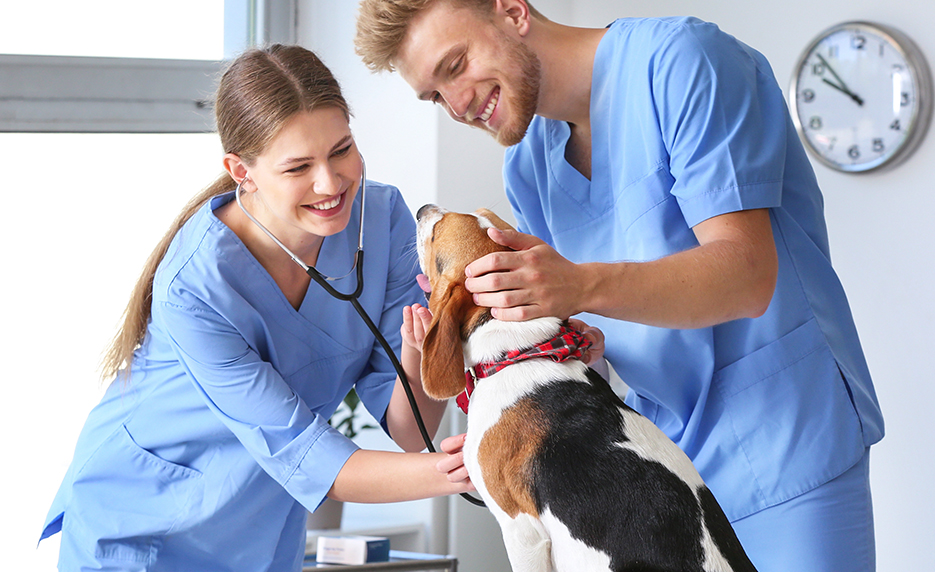
Veterinary oncologists play a necessary function in the early detection of cancer cells in pets, as their specialized training equips them with the skills needed to identify refined indicators that may be overlooked by basic professionals. They utilize a mix of scientific competence and progressed analysis devices to assess individuals thoroughly - Veterinary Oncologist. By identifying very early signs and threat aspects, oncologists can assist family pet owners towards timely interventions, increasing the possibilities of successful therapy
Additionally, veterinary oncologists usually team up with basic professionals to create screening protocols customized to certain breeds or age teams, improving the performance of early discovery initiatives. They educate pet owners on the relevance of regular check-ups and understanding of changes in habits or physical condition. With these aggressive actions, vet oncologists considerably add to enhancing end results for animals diagnosed with cancer, emphasizing the vital nature of their duty in veterinary medical care.
Breakthroughs in Diagnostic Techniques for Pet Dog Cancer Cells
Improvements in diagnostic techniques have markedly improved the ability to identify cancer in family pets at earlier stages. Methods such as advanced imaging, consisting of MRI and CT scans, provide comprehensive inner sights, enabling vets to identify lumps that might not be apparent. Furthermore, the advancement of minimally intrusive treatments, such as great needle aspirates and biopsies, allows exact tasting of tissues for histopathological evaluation with decreased tension for the pet.
Emerging molecular diagnostics, consisting of genetic testing and biomarker recognition, are changing the landscape of veterinary oncology. These approaches can recognize details cancer cells types and forecast actions to treatment, facilitating individualized treatment plans. Innovations in lab methods, such as liquid biopsies, are starting to use non-invasive alternatives for keeping track of lump development and treatment efficacy. Jointly, these developments stand for a significant jump onward in veterinary medication, highlighting the important duty of very early discovery in enhancing end results for animals diagnosed with cancer cells.
Just How Animal Owners Can Acknowledge Caution Indications
How can pet dog proprietors end up being cautious in acknowledging prospective caution indications of cancer cells? Recognition of behavior and physical adjustments in pets is vital. Usual indicators consist of he said uncommon sleepiness, loss of cravings, or abrupt weight modifications. Pet proprietors ought to also take notice of consistent throwing up or diarrhea, which may signify underlying problems.
Modifications in the skin, such as lumps, bumps, or sores that do not heal, necessitate immediate veterinary focus. Additionally, proprietors should keep in mind adjustments in drinking habits, raised peeing, or difficulty in breathing. Unexplained hopping or discomfort may also be indicators of more severe conditions.
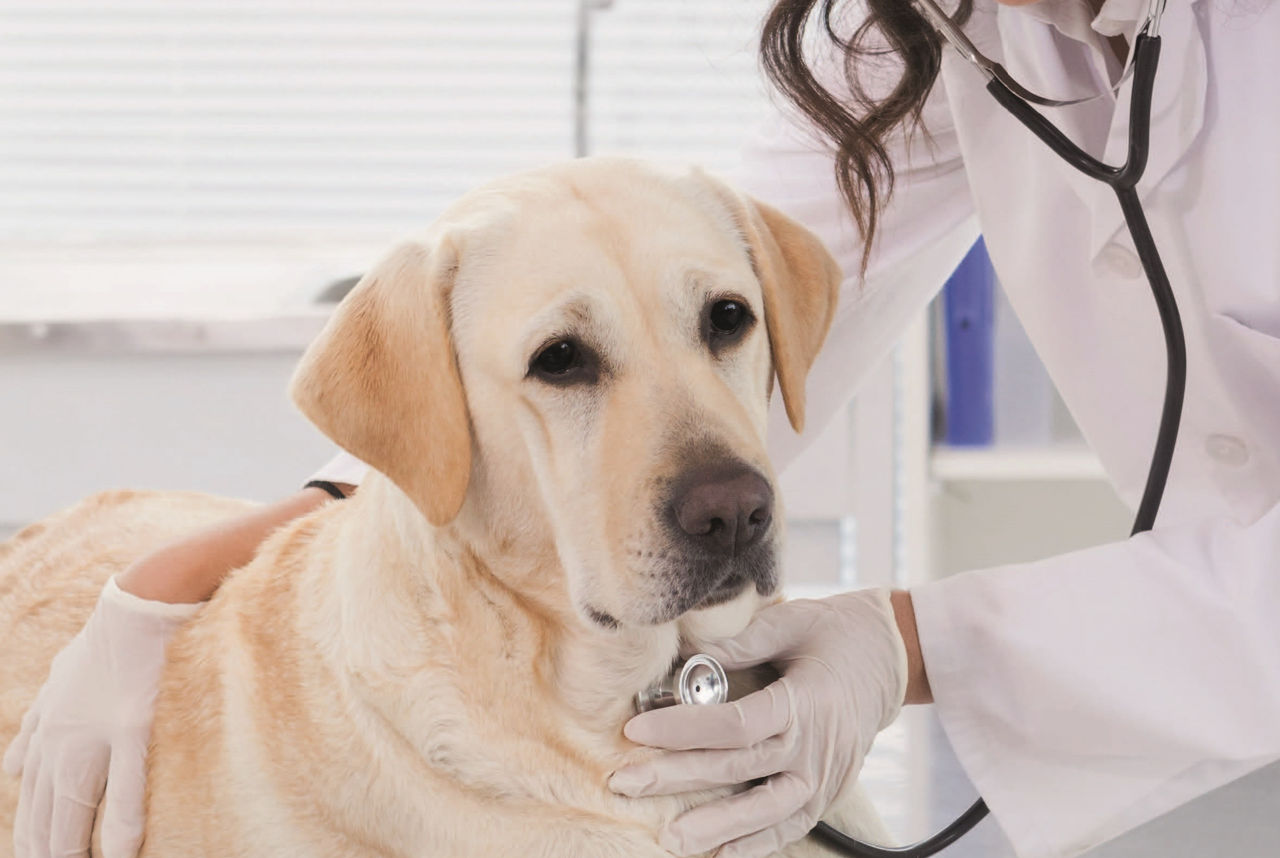
Routine vet examinations can assist determine these indication early. By maintaining a close observation of their animals' health and wellness and actions, owners can play a key function in very early discovery, potentially causing better outcomes ought to cancer be detected. Recognizing these indicators might considerably influence a family pet's high quality of life.
The Influence of Very Early Detection on Treatment End Results
Early discovery of cancer cells in pet dogs plays a crucial role in figuring out treatment end results, as it usually permits for a bigger range of therapeutic options. When cancer cells is identified in its onset, vets can apply less invasive treatments, raising the probability of successful intervention. Early-stage cancers might additionally respond better to chemotherapy or radiation, leading to enhanced survival rates and general lifestyle for the pet.
Additionally, timely diagnosis helps with an extra customized treatment strategy, straightening with the details requirements of the pet. This can consist of individualized medicine regimens or click here for more surgical interventions that are much less hostile. On the other hand, late-stage discovery often causes minimal choices, extra aggressive therapies, and poorer prognoses. Subsequently, the value of very early detection can not be overstated; it essentially alters the trajectory of treatment, making it essential for pet dog owners to stay attentive for any kind of signs of health problem in their beloved companions.
Often Asked Inquiries
How Can Diet Influence Cancer Cells Threat in Pets?
Diet regimen significantly affects cancer risk in animals, as specific nutrients and food kinds can either advertise or prevent tumor growth. A well balanced, nutrient-rich diet might help in reducing the possibility of developing cancer in animals.
Are Specific Types More Prone to Cancer cells?
Certain canine types, such as Golden Retrievers and Martials artists, show greater cancer cells susceptibility due to genetic predispositions. In a similar way, some feline breeds likewise show increased cancer cells risks, highlighting the relevance of breed-specific health recognition among pet dog proprietors.
What Are the Costs Connected With Early Cancer Discovery?
The costs associated with early cancer cells discovery can vary greatly, encompassing diagnostic tests, appointments, and prospective therapies - Veterinary Cancer Specialist. Spending in these solutions frequently results in better wellness results, ultimately minimizing extra substantial future medical expenses
Can Vaccinations Protect Against Cancer Cells in Family Pets?

Injections may minimize the risk of specific cancers cells in animals, specifically those linked to viral infections. Their effectiveness varies, and family pet proprietors should get in touch with veterinarians for tailored recommendations regarding vaccination and cancer prevention approaches.
How Commonly Should Pet Dogs Be Screened for Cancer?
Animals ought to usually be evaluated for cancer annually, specifically as they mature or if they exhibit risk aspects. Routine vet exams can aid recognize potential concerns early, improving treatment end results and total health monitoring.
Early detection of cancer in pets is an important topic for pet dog owners and veterinary specialists alike. Early indicators can be refined, making it crucial for pet dog proprietors to be watchful of their pet dogs' actions and physical problem. Veterinary oncologists play a vital role in the early detection of cancer cells in pet dogs, as their specialized training outfits them with the abilities required to link identify subtle indicators that might be ignored by general specialists. By maintaining a close observation of their family pets' health and wellness and behavior, owners can play a vital duty in very early discovery, potentially leading to better end results should cancer cells be identified. Early detection of cancer cells in family pets plays a necessary function in determining treatment end results, as it commonly enables for a wider range of healing choices.